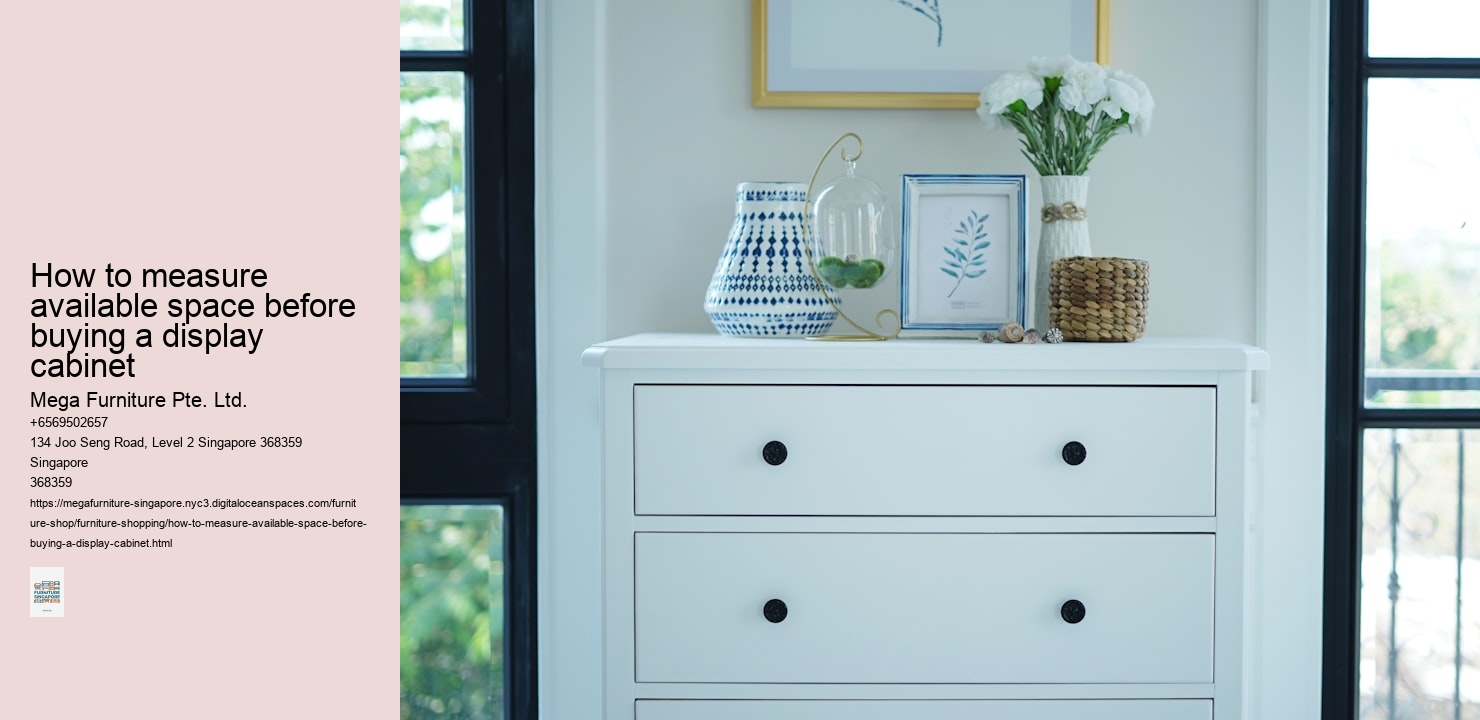
A display cabinet in an HDB master bedroom often feels like a puzzle piece that doesn’t quite fit — until it does. With rooms typically spanning 12 to 14 sqm, space is tight once you’ve accounted for the queen-sized bed and a wardrobe. That leaves little room for error when placing a cabinet, especially one designed to showcase delicate collections like china or family heirlooms. Measure twice, buy once: it’s a mantra worth repeating.
Start by mapping out the bed and wardrobe placements, leaving at least 80cm of clearance for comfortable access. Overhanging cabinets might look sleek in showrooms, but in a compact master bedroom, they’ll feel intrusive. Opt for slimmer designs, around 30 to 40cm deep, which won’t encroach on walking space. Heights between 150 to 200cm work well — tall enough to draw the eye without overwhelming the room.
Material choice matters, too. Glass-fronted cabinets can make the space feel larger, while solid wood adds warmth but might visually shrink the room. If you’re working with a 12 sqm bedroom, consider a narrower unit, around 80cm wide, to balance functionality and aesthetics. And don’t forget lighting: integrated LED strips can highlight your collection without adding bulky lamps.
For those with a penchant for collectibles, placement is key. Position the cabinet near a window or opposite a mirror to maximise natural light and create the illusion of depth. Just avoid placing it too close to the bed — you don’t want to knock into it during midnight trips to the loo. Browse Megafurniture’s collection for options that blend form and function, tailored to HDB master bedrooms.
Finally, think about how the cabinet fits into your daily routine. If you’re someone who rearranges displays frequently, ensure there’s enough space to open doors or access shelves comfortably. In many homes, the display cabinet becomes a focal point — a testament to personal taste and cherished memories. A display cabinet sits in the awkward middle ground between bookshelf and storage cabinet — closed glass-front protection for the items you want visible but not collecting dust. Megafurniture's Display Cabinet range covers glass-front, curio, wall-mounted, freestanding, and smart-cabinet variants in solid wood, MDF, and metal-framed constructions. Average pricing for glass-front variants sits around $271, with LED-lit and motorised-shelf models commanding the higher tier.. Get the fit right, and it’ll feel like it was always meant to be there.
In Singapore’s humidity, even the sturdiest cabinets can warp — and warped shelves mean cracked china and chipped crystal. That’s why buyers here often find themselves replacing particleboard cabinets within a few years; the material absorbs moisture like a sponge, buckling under the weight of delicate heirlooms. Treated wood or metal, on the other hand, holds up far better in neighbourhoods like Bedok or Tampines, where humidity often hovers above 80%.
For collectors displaying prized items, moisture resistance isn’t just a nice-to-have — it’s non-negotiable. A curio cabinet in a landed property’s formal living room might house generations of family treasures, from vintage Limoges porcelain to hand-blown art glass. Particleboard, even with a veneer finish, tends to swell and distort over time, leaving shelves uneven and doors misaligned. Metal frames or solid wood treated with moisture-resistant coatings, though pricier upfront, save buyers the headache of repairs down the line.
Modern open-fronted display units, popular in 4-room BTOs, face similar challenges. Without glass doors to shield contents, humidity can warp shelves faster, especially in smaller spaces where air circulation is limited. Rubberwood or powder-coated steel are reliable choices; they resist warping and maintain structural integrity even in humid conditions. It’s a lesson many homeowners learn the hard way — a warped cabinet isn’t just an eyesore, it’s a hazard for delicate collectibles.
For those furnishing formal living rooms or dedicated display areas, investing in durable materials pays off. A warped cabinet isn’t just inconvenient — it’s a risk to irreplaceable items. Treated wood or metal might cost more upfront, but in Singapore’s climate, it’s the difference between a display piece that lasts and one that buckles under the humidity.
Landed property walls often lack the concrete reinforcement of HDBs, so cabinet mounting requires locating wooden studs or installing steel backing plates. A 120cm-wide unit filled with crystalware can exert over 60kg of dynamic load during earthquakes or domestic vibrations. Professional installers typically use 10cm lag screws paired with French cleats for cabinets exceeding 150cm height. Older terrace houses may need wall scanners to avoid corroded pipes in cavity walls—especially critical when drilling near wet areas. Consider hiring a contractor familiar with pre-1990s brick-and-plaster construction methods prevalent in Katong and Joo Chiat conservation districts.
Vaulted ceilings in bungalows allow 240cm-tall cabinets that would overwhelm HDB spaces, but measure twice before committing. The sweet spot for displaying porcelain collections sits between 180–200cm height—low enough to appreciate details, high enough to deter toddlers. Mind the cornice work common in colonial-era black-and-whites; their decorative mouldings may require custom cabinet crowns. Top-heavy designs demand 30cm clearance from ceiling fans, particularly in humid areas where wood expansion occurs. Always account for future lighting tracks or aircon trunking that might limit upward space.
Formal living rooms in landed properties often become thoroughfares during gatherings, demanding 90cm walkways around display cabinets. Corner units work best near grand pianos or fireplace alcoves where they won’t interrupt circulation patterns. Glass doors should open inward in narrow corridors—outward swings risk collisions with passing guests holding curry puffs. For homes with domestic helpers, position fragile items above 140cm to avoid accidental dusting mishaps. Observe how sunlight moves across the room during Chinese New Year visits before finalizing placement.
Singapore’s humidity warps untreated wood within months, so opt for marine-grade plywood or powder-coated steel frames. Glass shelves require silicone bumpers to prevent condensation-induced slipping of heirloom ceramics. Avoid direct aircon blasts that cause uneven drying—many Tiong Bahru shophouse collectors use discreet hygrometers inside cabinets. For wine displays near pool areas, UV-filtering glass prevents label fading without the greenhouse effect of full-tinted panels. Consider integrated dehumidifier drawers for storing antique textiles in landed properties near coastal areas like Sentosa Cove.
Track lighting works poorly with tall cabinets—the shadows obscure upper shelves while overexposing lower ones. LED strip lights mounted inside cabinet crowns provide even illumination without visible hardware, crucial for minimalist interiors. Dimmable warm-white bulbs (2700K–3000K) best showcase gold-leafed Peranakan pieces without glare. Hardwired solutions beat battery-operated ones in landed properties where electrical access is simpler than HDBs. Always install separate switches for cabinet lighting to avoid blinding guests during evening functions.
In many HDB flats, buyers forget to account for door swing space — a mistake that leaves display cabinets awkwardly blocking pathways or forcing doors to stay permanently open. Measure not just the wall but the clearance needed for inward- or outward-opening doors, especially in compact layouts like 4-room BTOs. A cabinet that fits flush against the wall might still obstruct movement if it’s placed near a bedroom or kitchen entrance.
Material choice matters, too. Glass-fronted cabinets are ideal for displaying china or crystal collections, but in homes with young children, tempered glass or acrylic panels might be safer. For darker rooms, consider cabinets with integrated LED lighting to highlight your favourite pieces — just check that the wiring won’t clash with existing sockets.
Finally, don’t overlook the practicalities of assembly. Some cabinets arrive flat-packed, requiring precise measurements and patience to fit through narrow HDB corridors. If you’re unsure, Megafurniture’s collection offers pre-assembled options that can save time and hassle.
Compact homes, particularly those with 10 sqm common bedrooms, demand shallow-depth cabinets — typically 30cm to 40cm — to avoid overwhelming the space. Bulky designs, like those exceeding 50cm depth, can make rooms feel cramped, even if the cabinet’s width seems manageable. Opt for streamlined models with glass doors or open shelving; they visually lighten the room while still showcasing collections effectively.
Older HDB flats often have irregular wall lengths or protruding beams, which can complicate cabinet placement. Avoid assuming a standard 80cm-wide cabinet will fit perfectly; measure the exact wall space, including any deviations. For landed properties with formal living rooms, taller cabinets — around 200cm — can create a focal point, but ensure ceilings are high enough to accommodate them without feeling oppressive.

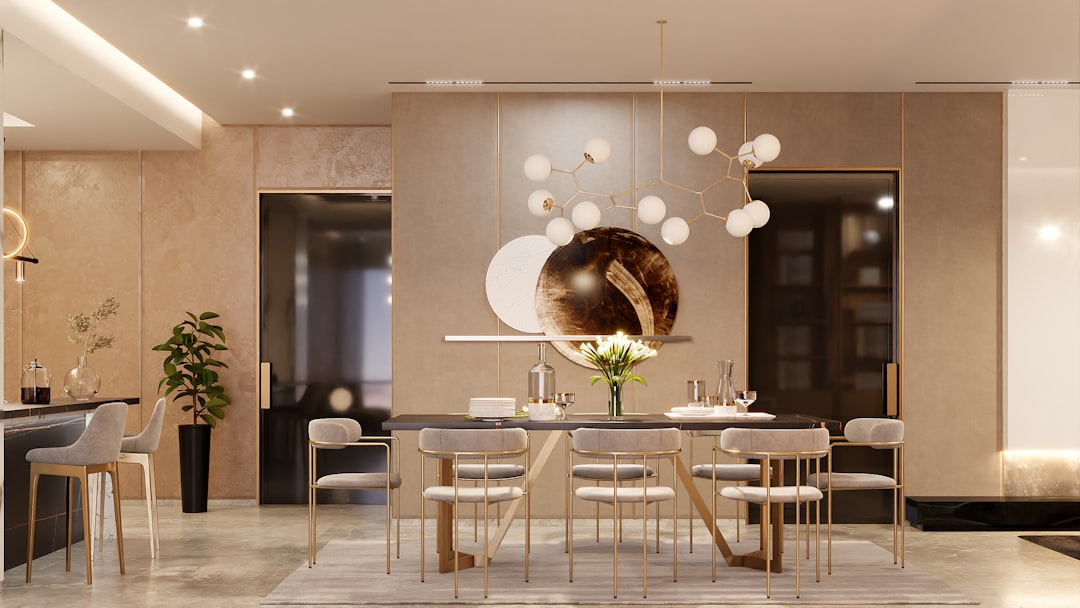
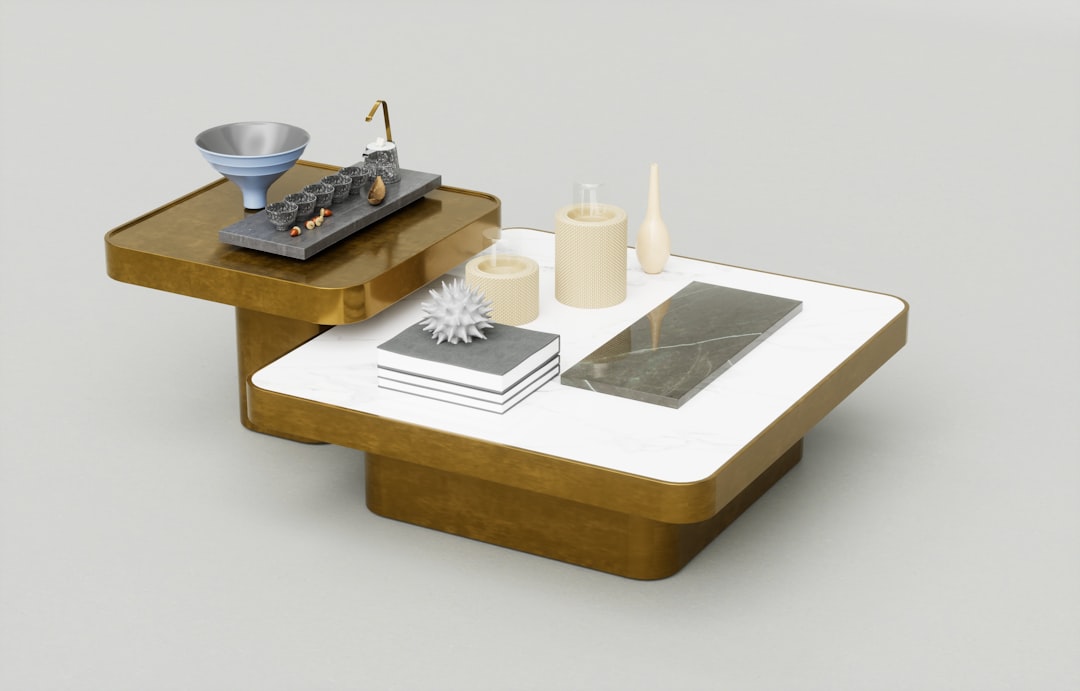
The glass-fronted display cabinet in Megafurniture’s Tampines showroom has fingerprints smudged along its lower left hinge—proof that three separate visitors today tested the mechanism. That’s what you’re paying for: hardware that survives decades of grandchildren tugging at doors to admire porcelain figurines. Showrooms reveal what product photos hide. A cabinet’s tempered glass might look flawless online, but under Joo Seng’s track lighting, you’ll spot whether the beveled edges catch dust or if the interior LED strips cast uneven warmth on your Lladró collection. Bring a measuring tape—what appears generously proportioned in a warehouse setting often overwhelms a 4-room HDB’s living area once home. Their staff won’t hover. You’ll get ten uninterrupted minutes to press your weight against shelves (solid wood versus veneer over particleboard creaks differently), then they’ll materialise with a laminated spec sheet. Ask to see the same model in both locations—Tampines stocks darker finishes popular with landed property owners, while Joo Seng’s units skew toward compact designs for condos. The Somnuz® mattress display near the entrance isn’t accidental. After forty minutes crouching to inspect dovetail joints, you’ll understand why half the visitors eventually sprawl on it.
Check stock levels first—their best-selling curio cabinet in espresso brown sells out twice monthly.
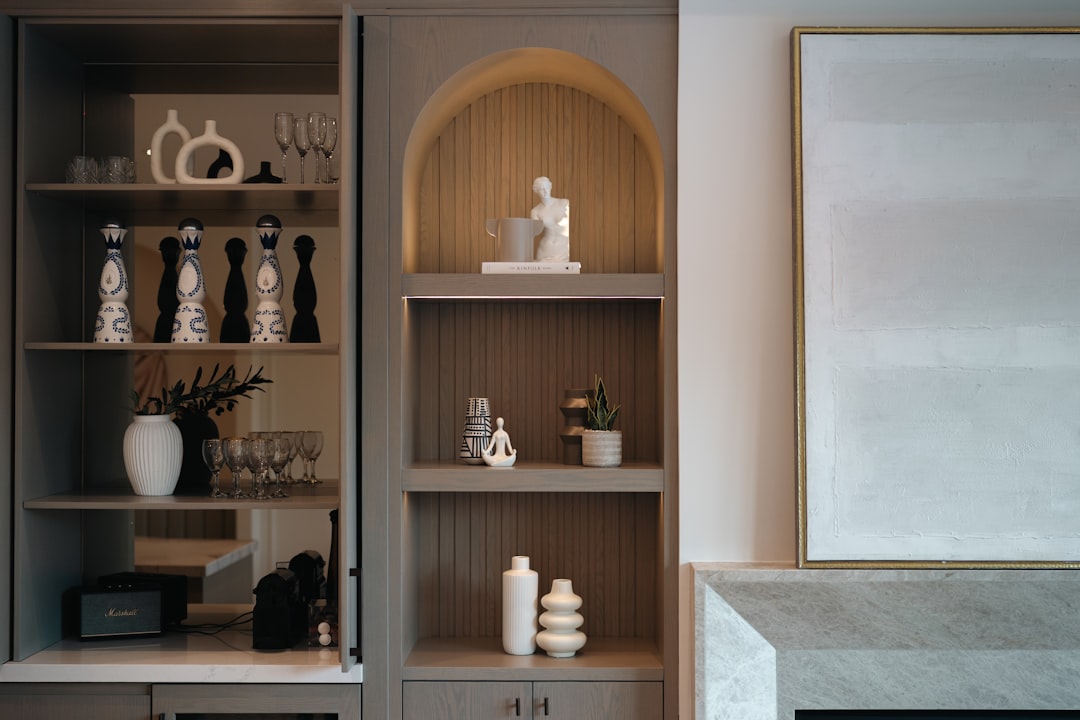
Delivery teams groan when they see a landed property’s spiral staircase — that 80cm clearance might fit the cabinet, but not the person carrying it. In Singapore’s terraced houses and BTO flats, stairwells often bottleneck at 75–90cm; measure diagonally for glass-fronted units, since tilting adds 10–15cm to the effective width. Humidity warping is the silent killer of display cabinets here; verify warranties cover it, especially for solid wood frames that expand in our 80% RH climate.
Assembling on-site isn’t just about tight spaces — it’s about avoiding scratches on that teak parquet or marble foyer. Most contractors charge $120–$300 extra for room-of-choice placement in landed homes; worth it when you’re manoeuvring a 180cm x 100cm unit past a vintage balustrade. Pro tip: schedule deliveries for weekdays — HDB lift lobbies are less congested when neighbours are at work.
That glass-paned door you loved in the showroom? It’ll show every fingerprint in a household with kids or cats. Go for anti-reflective tempered glass if the cabinet faces a window — the glare off East Coast condos turns displays into mirrors by 4pm. And skip the LED strip lights unless there’s a nearby power point; battery-operated puck lights dim within months, leaving your Limoges china in shadow.
Landings between storeys often become de facto display zones in Singapore homes — until someone realises the cabinet blocks the aircon vent. Measure airflow paths alongside physical dimensions; that 40cm gap behind the unit isn’t just for cleaning access, but to prevent moisture buildup against the back panel. Older HDB blocks have uneven floors too — pack levelling shims unless you want your heirlooms sliding toward one corner.
Delivery crews here know the drill: 90 minutes to disassemble a Kallang warehouse pallet, 45 minutes to navigate a Queenstown lift, and 20 seconds for the homeowner to panic when the cabinet won’t clear the ceiling fan. They’ve seen it all — from Ang Mo Kio apartments where the lift barely fits a 150cm unit, to Sentosa Cove villas where the real challenge is parking the truck past the water feature.
Can cabinet fit HDB lift? Most display cabinets, especially those designed for HDB flats, come in widths under 120cm — narrow enough for standard lift doors. If you’re eyeing a wider piece, measure your lift diagonally; many can accommodate cabinets up to 150cm when tilted. For landed properties, stairwells are often the limiting factor, so double-check door frames and landing clearances before committing.
How to secure glass shelves for figurines? Tempered glass shelves are standard, but collectors often add silicone shelf liners or clear rubber bumpers to prevent slippage. For heavier items, consider cabinets with adjustable shelf brackets or reinforced supports — they’re pricier but worth it for peace of mind. In earthquake-prone regions, museum wax or QuakeHold gel is a must, though Singapore’s stable ground makes it optional.
Best height for art glass? Eye level is ideal — around 150–170cm for most adults. Too high, and you lose detail; too low, and it’s prone to accidental knocks. If you’re showcasing smaller pieces, a cabinet with internal lighting can elevate their presence. For taller items like vases, aim for a unit with adjustable shelving to avoid cramping.
Securing your cabinet against tipping is non-negotiable, especially in homes with kids or pets. Wall-mounted brackets or anti-tip straps are easy to install and nearly invisible once in place. And if you’re placing it near a window, UV-resistant glass or tinted panels will protect your collectibles from fading — Singapore’s sunlight is no joke.
Measure the height and width of the wall where the display cabinet will be placed. Ensure there’s enough clearance from adjacent furniture or fixtures. Account for baseboard or molding that may affect placement.
Determine the depth and width of the area where the cabinet will stand. Leave room for doors to open fully and ensure pathways remain unobstructed. Consider the cabinet’s footprint relative to the room’s layout.
Measure the distance from the floor to the ceiling in the intended location. Ensure the cabinet’s height allows for proper ventilation and aesthetic balance. Avoid overcrowding the space visually.
Ensure the cabinet is positioned for easy access to displayed items. Avoid placing it too high or too low for comfortable viewing. Consider lighting and visibility when finalizing the location.
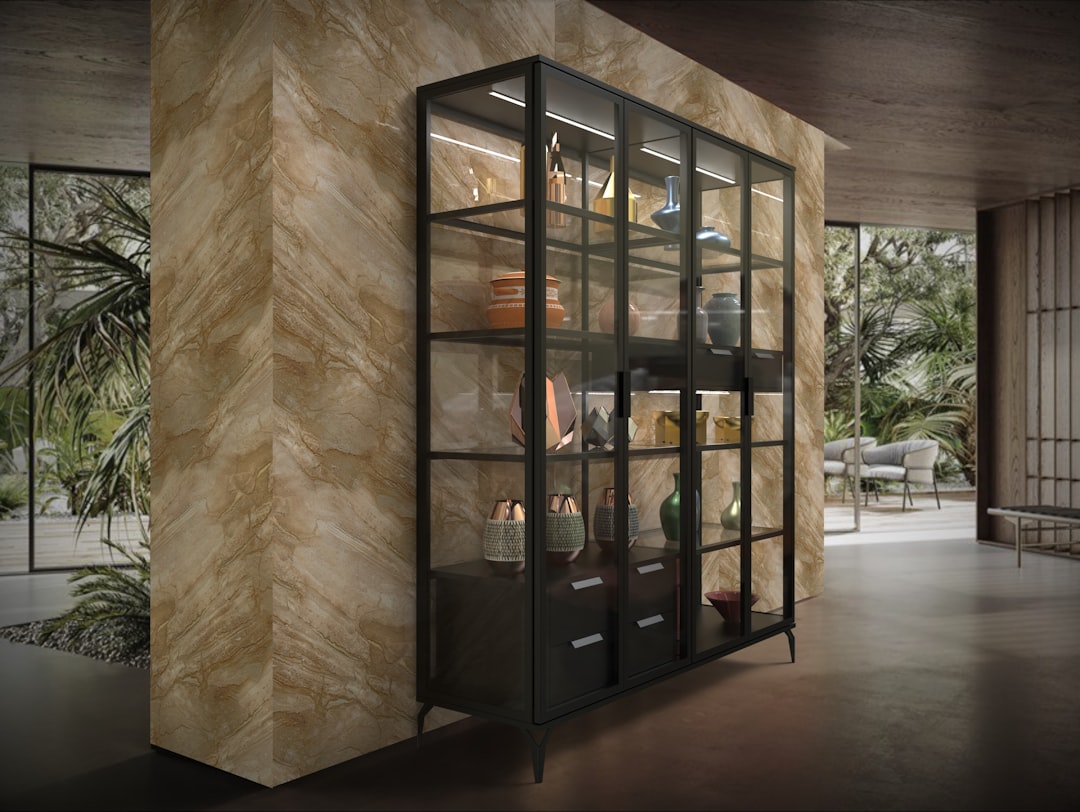
Most homeowners underestimate how much a display cabinet’s bulk can disrupt a room’s flow. It’s not just about fitting the piece into a corner—it’s about ensuring doors can swing open fully, drawers pull out without hitting walls, and walking paths remain unobstructed. Measure twice, thrice if you must. Start with room dimensions, noting ceiling height, wall lengths, and any architectural quirks like beams or alcoves. Then map out electrical outlets and lighting fixtures; you’ll want to avoid placing the cabinet where it blocks access or casts awkward shadows.
Bring sketches to the showroom—nothing fancy, just clear diagrams with measurements marked. Compare cabinet sizes against your space constraints, paying attention to depth as much as width and height. A cabinet that’s 90cm wide might fit perfectly, but if it’s 50cm deep, it could dominate a 4-room BTO living room. Consider walking paths, too; a narrow gap between the cabinet and sofa might look fine on paper but feel claustrophobic in practice.
Don’t forget to account for doors and drawers. A cabinet with glass doors that swing outward needs more clearance than one with sliding panels. If you’re eyeing a curio cabinet with internal lighting, check where the cord will run; trailing wires across the room aren’t just unsightly—they’re a tripping hazard. And if you’re planning to showcase delicate items like china or crystal, make sure the cabinet’s placement won’t expose it to direct sunlight or drafts from nearby windows.
Finally, think about the long-term. A display cabinet isn’t just furniture; it’s a focal point. Once it’s in place, rearranging the room becomes a headache. Take your time at the showroom, visualising how the piece will interact with your existing layout. Bring along photos of your space if it helps—sometimes, seeing the cabinet in context makes all the difference.